Crane Rigging vs. Crane Rental: What Charlotte Businesses Need to Know in 2026
Crane rigging vs. crane rental is one of the most common questions Charlotte businesses face when planning a heavy lift, and choosing the wrong option can affect safety, liability, and project timelines.
Charlotte, NC, is in the middle of sustained industrial and commercial growth. From SouthPark office towers to manufacturing facilities along Interstate 85, construction activity shows no signs of slowing in 2026. Whether you are managing a plant relocation in University City, need a rooftop HVAC unit set in Uptown, or are overseeing structural steel work near South End, you will likely need either crane rigging or crane rental at some point. These two services are not the same thing, and picking the right one matters.
What Is Crane Rigging and How Does It Differ From Crane Rental?
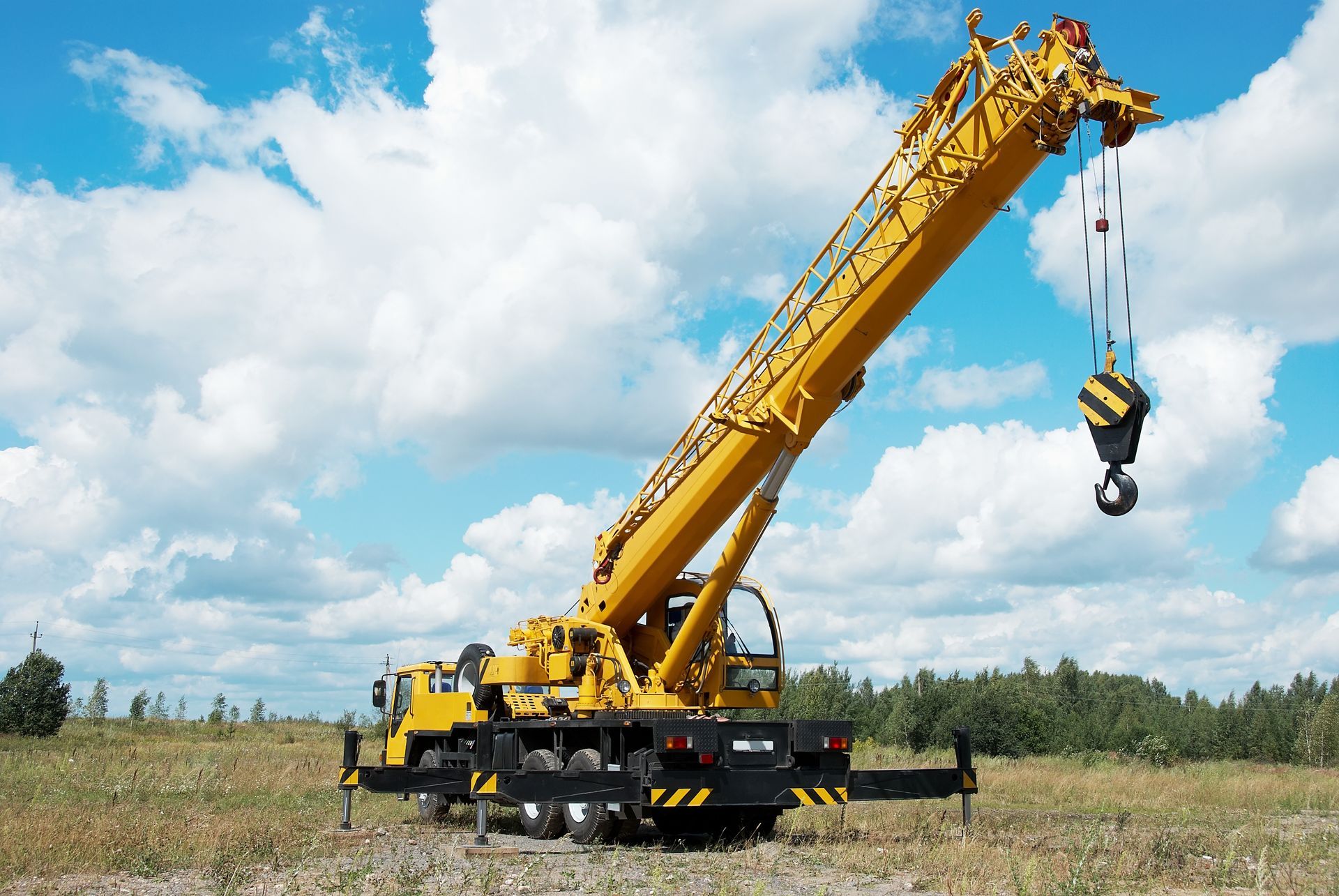
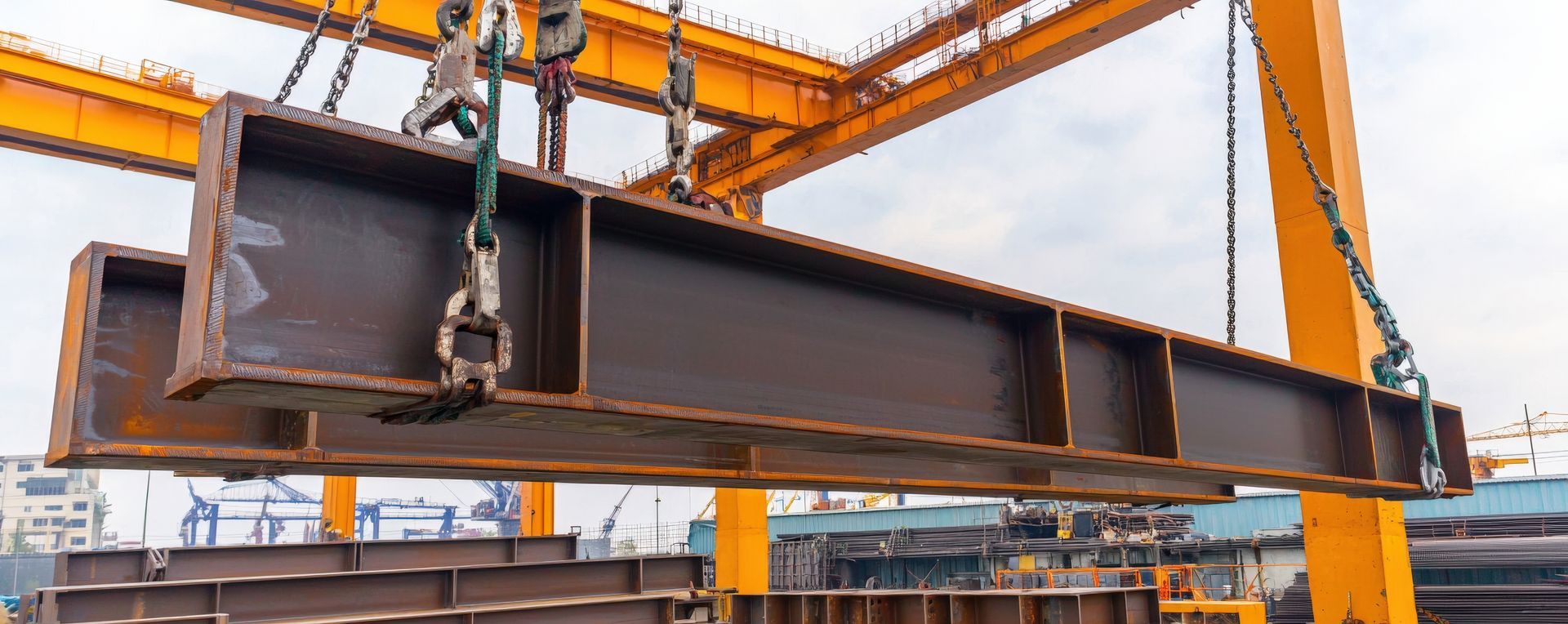
Crane rigging is a full-service solution that combines the crane, a certified operator, and a planned lift approach. When you hire a rigging crew, you are not simply getting a machine. You are getting trained personnel who assess the load, select the right equipment, and execute the lift from start to finish.
Crane rental, by contrast, is equipment-only. You lease the crane, and your team or a separately hired operator handles the rest. This works well for projects where you already have a qualified operator on staff, a documented lift plan in place, and a clear understanding of what OSHA requires of you on a North Carolina job site.
Here is a simple way to think about the difference:
▸ Crane rigging includes the crane, the operator, the lift plan, and hands-on execution from a professional crew.
▸ Crane rental provides the equipment only, leaving operation and lift coordination to you.
▸ Full-service rigging may reduce your liability exposure because the service provider takes responsibility for the lift.
▸ Crane rental may offer more flexibility if your team already has certified operators and a defined plan.
When Should Charlotte Businesses Choose Crane Rigging Over Rental?
Most commercial and industrial jobs in the Charlotte, NC, area benefit from a full rigging service rather than equipment-only rental. If you are moving heavy machinery in the Steele Creek industrial corridor, setting a rooftop HVAC unit in Ballantyne, or placing structural steel near the airport, you need more than a machine. You need a crew that knows how to read a load chart, rig a lift safely, and respond to site conditions in real time.
Federal OSHA regulations under 29 CFR 1926 Subpart CC require that anyone operating a mobile crane on a construction site be certified by an accredited testing organization. In North Carolina, NCCCO certification standards apply to crane work on covered job sites across Mecklenburg County and the greater Charlotte region. When you hire a full rigging service, operator certification is already included.
If you go the rental-only route, the certification requirement falls on you. You must confirm that whoever runs the crane holds current NCCCO credentials for that specific equipment type. This compliance gap can lead to work stoppages and liability exposure if it is not addressed before the lift begins.
Common Charlotte Project Types That Typically Require Full Crane Rigging
▸ Plant relocations and machinery installations at facilities along I-85 and I-485.
▸ Rooftop HVAC placement on commercial buildings in Uptown, SouthPark, and Ballantyne.
▸ Structural steel setting in growing districts like South End and University City.
▸ Modular or prefab component placement in residential developments across Mecklenburg and surrounding counties.
▸ Equipment setting inside facilities where tight clearances make precision critical.
Liability and Compliance Considerations in North Carolina
Liability is where the rigging vs. rental decision often becomes clearest. With a full rigging service, the crew arrives with insurance coverage tied to the lift itself. With rental-only, your company takes on more of the operational risk. If something goes wrong and your operator was not properly certified or the lift plan was not documented, your business could be exposed.
North Carolina does not issue a separate state crane operator license, but OSHA's federal certification requirement still applies to construction sites statewide. NCCCO certification is the standard that protects both workers and the businesses that hire them.
A documented lift plan is also part of the equation. Crane rigging professionals prepare a site-specific plan accounting for load weight and center of gravity, ground conditions, overhead obstructions, swing radius, and personnel positioning. On rental-only jobs, that plan is your responsibility.
Key Questions to Ask Before Deciding Between Rigging and Rental
▸ Does your project team include an NCCCO-certified operator with current credentials for the specific crane type involved?
▸ Do you have a documented lift plan that meets OSHA requirements for the site?
▸ Who carries liability if something goes wrong during the lift?
▸ Does the lift involve tight clearances, unusual load shapes, or access challenges?
If your honest answers raise any concerns, a full crane rigging service is likely the safer and more practical path.
Making the Right Call for Your Charlotte Project
Crane rigging bundles the expertise, the operator, and the accountability into one service. Crane rental gives you the machine and puts the rest on your team. For most commercial and industrial businesses in Charlotte, NC, a full rigging service reduces risk, keeps the job moving, and ensures compliance without requiring you to manage operator credentials or lift planning on your own.
McMillan Crane Service Inc. has been serving the Charlotte region with crane and rigging solutions since 1971. The team is fully insured, family-owned, and experienced across a wide range of commercial and industrial lift scenarios. To learn more about available equipment, visit the
crane and equipment rental page. When you are ready to discuss your project and get a free estimate,
contact the team directly or call
(704) 922-9611.